One of the biggest mistakes visitors make when deciding where to eat in London is choosing somewhere simply because they’ve heard of the area or they’re starving and need a quick answer.
Probably the best example is Leicester Square. You’ve heard of it. You know it’s famous. You probably don’t really know why, but you end up there because it feels like somewhere you’re supposed to see when you visit London.
Then you’re hungry. There are restaurants with glittering disco ball-like signs surrounding you. So why not just eat there?
The problem isn’t that you happen to be near a London attraction. It’s that you don’t yet know where the locals would go to eat nearby. For example, if you’re visiting the Tower of London, you could simply eat at the first restaurant you see around the attraction. Or, with a little local knowledge, you might know to walk towards somewhere like St Katharine Docks, where you’ll find a very different selection of places to eat.
That’s the advantage of knowing London beyond the famous sights.
After living in London since 2013 and helping thousands of visitors plan their trips, I’ve found there’s a much better approach to deciding where to eat in London. Instead of asking, “Where is the best restaurant in London?”, ask “Where should I eat based on what I’m doing today?”
Here are some of my favourite ways to make that decision.
Choose Afternoon Tea Based on Your Itinerary
When you’re deciding where to eat in London, afternoon tea is one of the easiest meals to get wrong.
Of course, there are the iconic options. Fortnum & Mason, The Ritz and Claridge’s are all famous for good reason. But the most famous afternoon tea isn’t necessarily the best choice for your day.
If you’re spending the morning sightseeing around the Tower of London, for example, you probably don’t want to cross London simply to have afternoon tea somewhere else.
When I help visitors plan London itineraries, this is a dilemma I see visitors facing all the time.. They’ve booked a tea that is now dictating how much else they can do that day.
I often recommend choosing afternoon tea based on the attraction you’re visiting that day. It means you can enjoy the experience without wasting valuable sightseeing time travelling across the city. I mean, the London Underground is efficient for the most part, but I wouldn’t spend any more time than I needed to on it!
The afternoon tea at The Derby London City (Curio Collection) is a great example of how you can combine tea with other things to do in London.
2. Choose Your Evening Restaurant by Neighbourhood
When someone asks me where to eat in London for dinner, one of my first questions is usually, “Where is your London hotel located?”
London is a big city. You can certainly travel across it for a restaurant but you don’t need to do that every night. Instead, look at the neighbourhoods you’ll already be exploring. Mayfair, Soho, Covent Garden, Kensington the Tower area and London Bridge/Southbank all have very different dining options.
Your hotel is also a useful starting point. After a full day of sightseeing, having a good restaurant a short walk away makes your London trip so much more enjoyable and relaxing than crossing town for dinner, especially during peak travel times on the Tube.
I’d also recommend saving at least one evening for something that feels like an occasion. Sartoria on Savile Row is a good example of the kind of restaurant I’d consider for a special evening. And, it’s one of Stanley Tucci’s favourites to visit.
My Restaurant Guide organises recommendations by neighbourhood, with options across different budgets and ideas for occasions.
3. Don’t Overlook the Pub for Lunch
If you’re looking for where to eat in London during a busy sightseeing day, don’t overlook a London pub.
Pubs from groups such as Young’s and Fuller’s can be an easy choice for lunch, particularly when you want something casual and distinctly British.
You’ll often find classics such as fish and chips, bangers and mash, steak and ale pie or a Sunday roast (on Sundays only).
A pub lunch can also be a useful way to build British food into your itinerary without making every meal a formal restaurant experience.
If you’re wondering which British dishes are actually worth trying during your trip, I’ve put together a guide to 10 British Foods to Eat in London.
4. Know Streets Locals Use for Food
Sometimes figuring out where to eat in London is as simple as knowing one good street near the attraction you’re visiting.
For example, if you’re planning a museum day in South Kensington, knowing about Exhibition Road gives you an entire stretch of restaurants to consider without sending you miles away from your London itinerary.
Knowing where these hidden ‘foodie streets’ are makes deciding where to eat faster and easier.
5. Consider London’s Food Markets
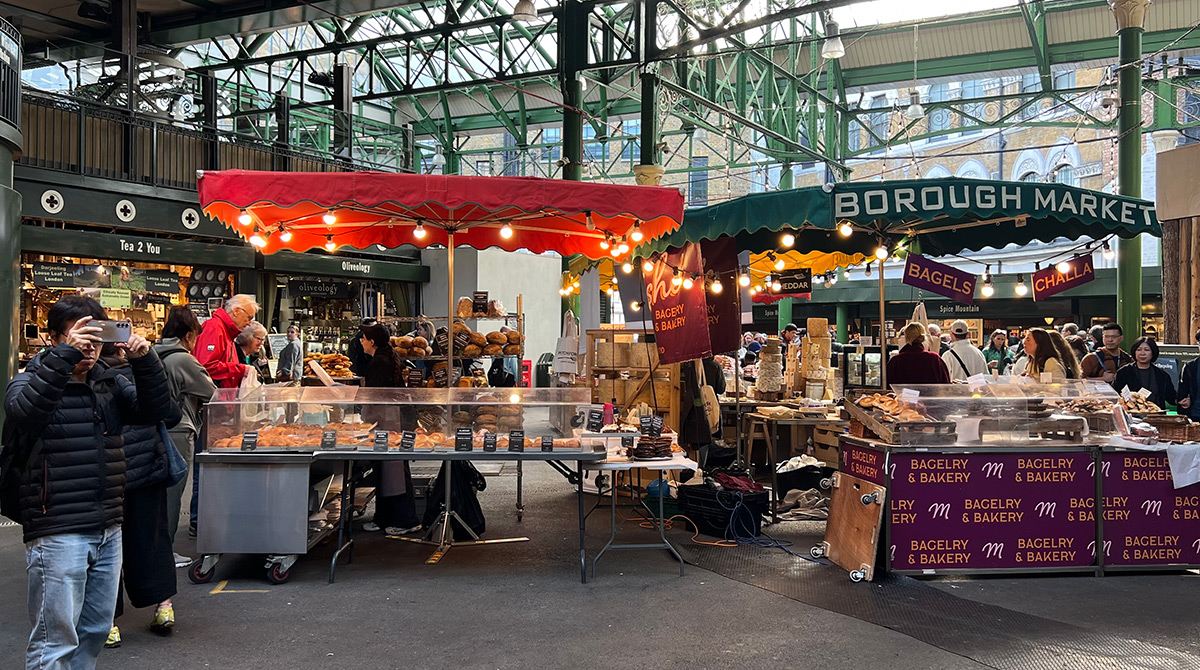
Restaurants aren’t your only option. London’s food markets can be particularly useful when you want something casual or you’re travelling with people who don’t all want the same thing. In my trip consultations, I often hear from people travelling with picky eaters or groups who all want different cuisines- so a food market is a great solution.
Rather than committing everyone to one restaurant, a food market lets different people choose what appeals to them.
Want Help Deciding Where to Eat in London?
The hardest part of planning London meals isn’t finding restaurants. It’s figuring out which restaurants make sense for your particular trip.
That’s why I created my London Restaurant Guide.
Instead of spending hours searching for restaurants, you can make your choices based on where you’ll already be and what kind of experience you want. The clickable Google Maps make it easy to see exactly where each recommendation is in relation to the attractions and hotels on your itinerary, so you can plan your meals before you even leave home.
Because the best place to eat in London isn’t necessarily the most famous restaurant. It’s the one that’s right for your London trip.

Worried about where to eat in London?
You just don’t know where to go.
With this London Restaurant Guide you’ll have all of this in one place:
- Places to eat near top attractions
- Restaurants by neighbourhood
- 2 top afternoon tea suggestions by attractions
- Restaurants organised by Cuisines (Best British, Asian, Indian, Italian & Greek)
- Essential lists (afternoon teas, Sunday roasts, pubs for food, food markets & more)
- Clickable Google maps to plan ahead
London Travel Planners & Custom Itineraries
1:1 Itinerary Audit or Custom London Trip Itinerary
2026 3-day Iconic London Travel Planner
Ultimate Christmas in London Guide

London Restaurant Guide (by Attractions)
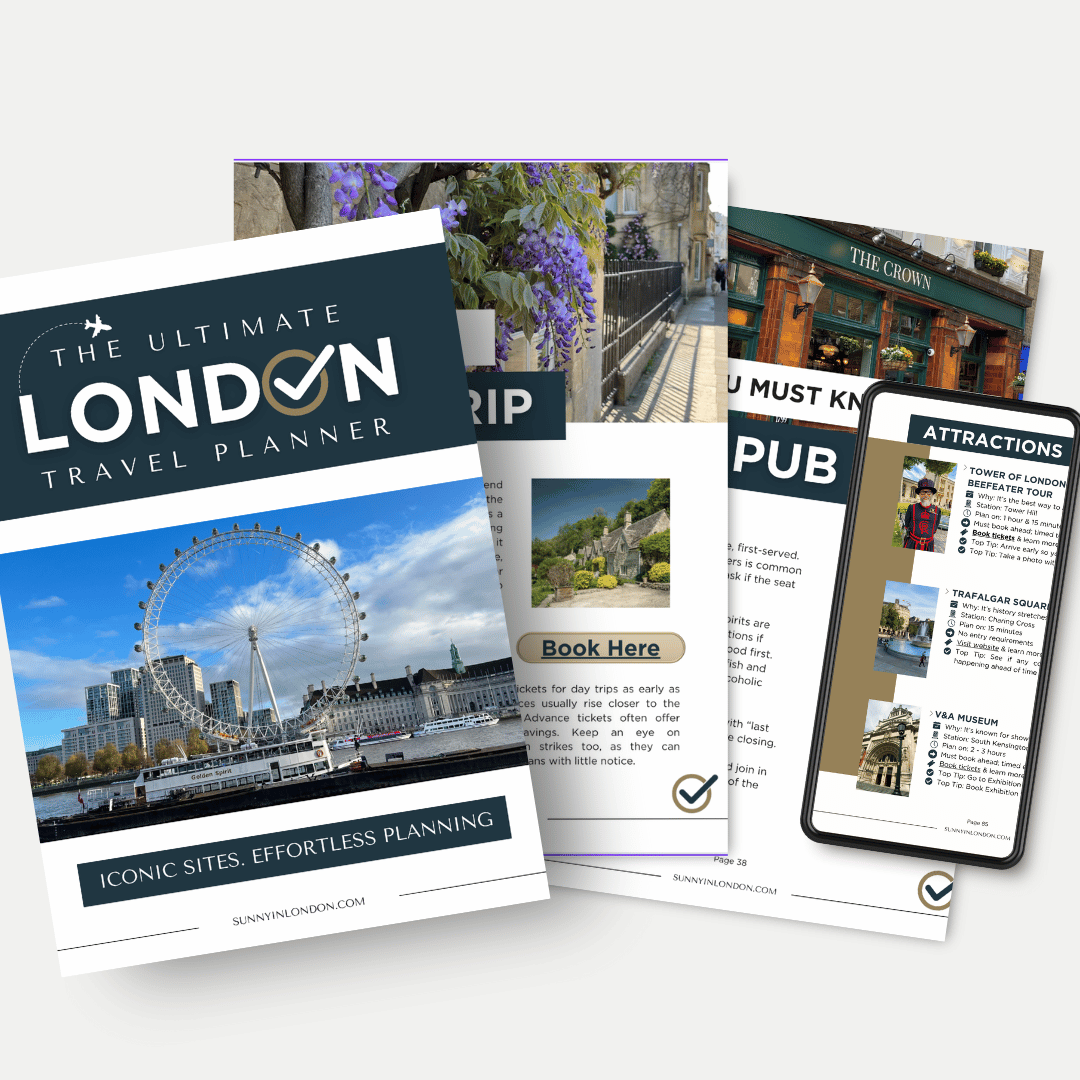
Related Things to Do in London articles
Follow me on Pinterest!
Some of the links in this post are affiliate links, which means I may earn a commission if you make a purchase through them. This comes at no additional cost to you and it helps support the Sunny in London blog.
PakarPBN
A Private Blog Network (PBN) is a collection of websites that are controlled by a single individual or organization and used primarily to build backlinks to a “money site” in order to influence its ranking in search engines such as Google. The core idea behind a PBN is based on the importance of backlinks in Google’s ranking algorithm. Since Google views backlinks as signals of authority and trust, some website owners attempt to artificially create these signals through a controlled network of sites.
In a typical PBN setup, the owner acquires expired or aged domains that already have existing authority, backlinks, and history. These domains are rebuilt with new content and hosted separately, often using different IP addresses, hosting providers, themes, and ownership details to make them appear unrelated. Within the content published on these sites, links are strategically placed that point to the main website the owner wants to rank higher. By doing this, the owner attempts to pass link equity (also known as “link juice”) from the PBN sites to the target website.
The purpose of a PBN is to give the impression that the target website is naturally earning links from multiple independent sources. If done effectively, this can temporarily improve keyword rankings, increase organic visibility, and drive more traffic from search results.